1. Assess the home
The team looks at square footage, access, hazards and how much needs to leave. The price range and plan come after this look.
Safety Harbor, FL · Pinellas County
Is it time to ask for hoarding help in Safety Harbor, FL? A cleanup team can sort with the resident, protect keepsakes, remove trash and pest damage, and clean the home. Call (877) 812-4220 to ask questions.
If anyone is in danger, call 911 first. For a suicide crisis, call or text 988.
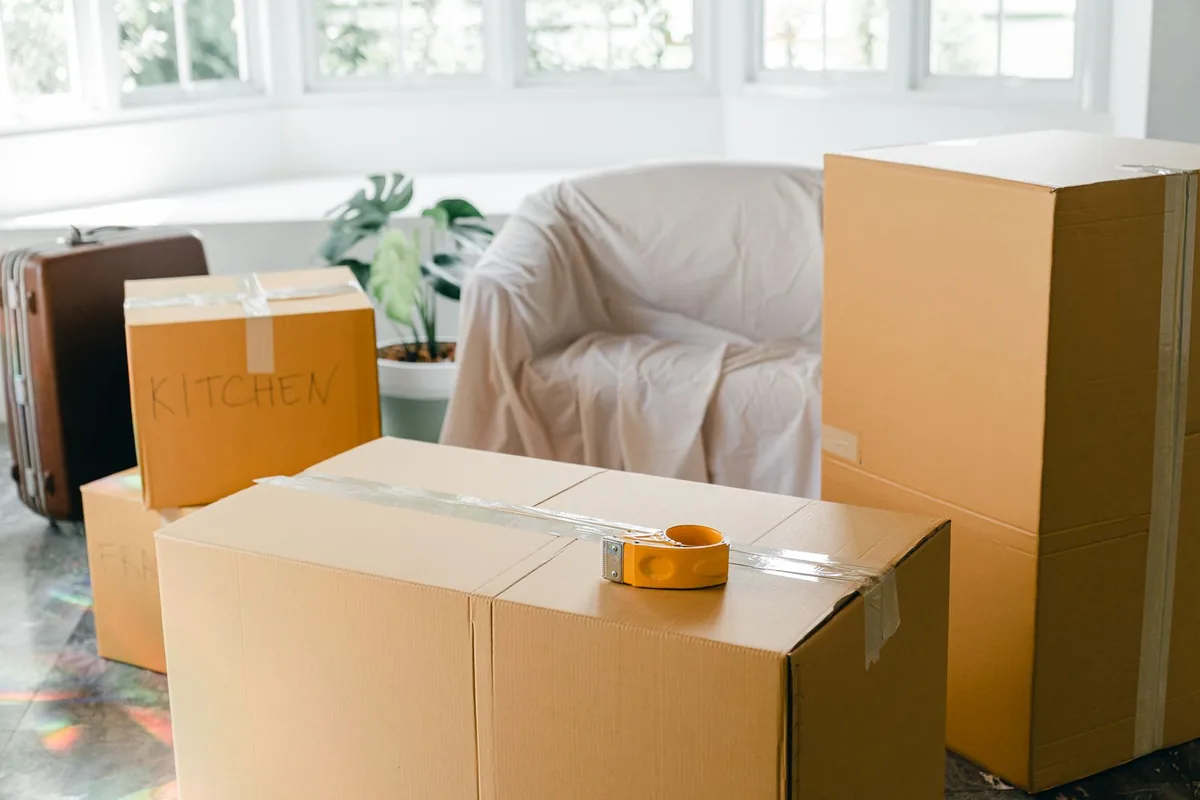
Hoarding is a recognized mental health condition, and hoarding cleaning is the practical side of recovering a home from it. Crews clear pathways, haul out released items and clean and disinfect the affected area.
For hoarding help in Safety Harbor, you get a conversation first and a cleanup second. The team learns what the resident wants to keep before any item is moved from a home in Pinellas County. Call Safety Harbor Biohazard Cleanup Help to begin.
Many older residents of Safety Harbor live alone, around 32%, and a blocked doorway can delay help. Clearing exits first matters most. Most homes in Safety Harbor are owner-occupied, with about 16% rented. Owners and their families usually decide the pace and what stays.
What hoarding cleanup covers:
The team looks at square footage, access, hazards and how much needs to leave. The price range and plan come after this look.
Hauling routes are marked, trash bags and bins are set up, and protective equipment is put on. The neighbors are considered, too.
The team works from the highest-risk areas outward. Each cleared space is cleaned before moving on.
Each room is cleaned and disinfected once it is clear. Kitchens and bathrooms get the closest attention.
Hoarding cleanup in Safety Harbor, FL typically costs $500 to $25,000, depending on the size of the affected area and the materials involved.
Deep cleaning, disinfecting and odor treatment add labor beyond sorting and removal. Kitchens and bathrooms usually take the longest to bring back to a clean state.
| Type of job | Typical range |
|---|---|
| Level 1, light | $500 - $1,500 |
| Level 4 | $5,000 - $15,000 |
| Level 5, severe | $10,000 - $25,000+ |
| Level 3 | $2,000 - $5,000 |
Figures are planning ranges from Dropcurb, Lifecycle Transitions, not a price for any specific Safety Harbor property. Price drivers include level of accumulation, home size, whether exits and rooms are blocked, pests or animal waste. Call (877) 812-4220 any hour.
A lightly crowded room with a willing resident can be a do-it-yourself project with gloves, a mask and a helper. Beyond that, hidden hazards, heavy items and the emotional strain make a team the safer choice.
Usually not for the buildup itself, since many policies exclude long-term conditions. A policy may help with a specific event such as a fire, a leak or a sewage backup. Read the policy, call the insurer before work starts, take photos and keep receipts.
Not always, but it often helps. When the resident is present, sorting goes more smoothly and decisions are respected. If the resident cannot attend, the family or caller can set clear rules about what is kept.
Most often the resident or the property owner pays, and family members sometimes share the cost. In a rental, the lease and local law decide between landlord and tenant. Some local aging services or housing agencies help in some places, so it is worth asking.
Hoarding is often described in levels, and level one is the lightest. Clutter is present but exits and pathways are open, utilities work and rooms can still be used. Higher levels bring blocked rooms, sanitation problems and safety hazards.
Usable items go to donation or recycling where possible. Spoiled, damaged or unsafe items are disposed of correctly, and waste that may carry germs is handled as regulated medical waste.
Call and ask how valuables, papers and keepsakes are kept safe.
Call (877) 812-4220